Common Hall Rental Booking Mistakes and How to Avoid Them

The worst hall rental problems rarely announce themselves on the day of the event. They sit quietly in an inbox for weeks: a capacity number nobody verified, an insurance certificate nobody requested, a load-out window you skimmed and forgot. By the time the tables are up and the caterer is unloading, the fixes are expensive or impossible. Most booking mistakes come from asking too few questions, too late — and from treating a friendly venue manager's verbal answers as a binding plan.
Here are the errors that catch first-time and repeat renters alike, along with practical ways to head them off before you sign anything.
Mistaking Maximum Capacity for Comfortable Capacity
Every hall quotes an occupancy figure — often the fire code limit. That number is a safety ceiling, not a seating plan. It generally assumes people standing and moving, with no tables, no buffet line and no dance floor competing for the same square footage. Your event needs more room per person than the number on the wall suggests.
What quietly eats your floor space:
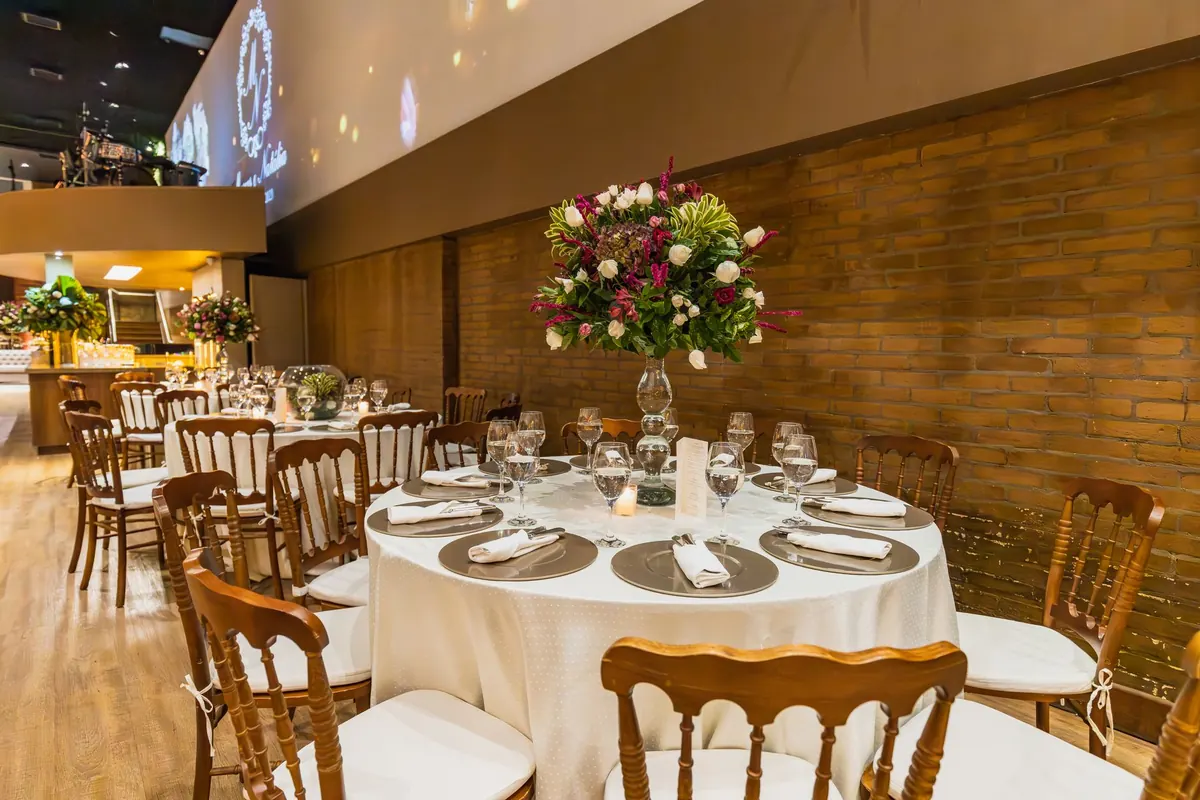
- Table footprints. A 60-inch round seats eight, but the chairs push the real footprint out to roughly nine or ten feet across, and you need walking room between tables.
- Service lines. A single-sided buffet creates a long queue. Two-sided service shortens it and frees the room.
- Fixed features. Bars, DJ booths, gift tables, photo corners and coat racks all claim territory before a single guest arrives.
- The dance floor. If you want people dancing, budget floor area for it — and expect it to sit empty if you squeeze it into a corner.
Planners often work from rough ratios such as ten square feet per guest for a seated dinner and less for a standing reception, but those are starting points, not rules. Ask the venue for a to-scale floor plan, then sketch your layout on it. If no plan exists, bring a tape measure and walk the room yourself.
Questions worth asking directly
How many guests fit seated at rounds with a dance floor and a bar? How many fit for a standing reception? What does the room feel like with two hundred people in it? Vague answers are a warning sign.
Treating the Quote as the Final Price
The rental fee is rarely the whole bill. The extras are where budgets slip, and they vary wildly from venue to venue. Tables and chairs may be included or rented separately. Linens, a cleaning fee, security or door staff, overtime, sound equipment, kitchen access, corkage, parking attendants and required insurance can all appear later.
When you ask about price, describe your event in detail: "A Saturday evening reception for 120 guests, with a caterer, a bar and a band." Then request a written, itemized estimate that lists what is included, what costs extra, and what the total looks like. Confirm whether the deposit is refundable and whether any portion is applied to the final balance.
Skipping Insurance, Permits and Alcohol Rules
These are three separate obligations, and venues often mention only one of them.
Insurance. Many halls require general liability coverage and a certificate naming the venue as an additional insured. Ask how much coverage is required, who must be listed, and how far in advance the certificate must arrive. Your insurer or broker can usually issue one quickly — but only if you ask early. If you are booking on behalf of an organization, club or business, check whether an existing policy already covers the event.
Permits and alcohol. Serving alcohol, selling tickets, playing amplified music late into the night, or using certain public spaces may trigger local licensing or permit requirements. Rules differ by city, county and state or province, and they change. Confirm with your local licensing authority, your insurer, and — for anything with real financial or legal exposure — a qualified professional rather than a vendor or a forum.
Ignoring the Clock
Rental time is not the same as party time. The clock often starts when you get access for setup, not when the first guest walks in, and it ends when the room is empty, swept and locked. That gap between "guests leave" and "room is clean" is where overtime charges come from.
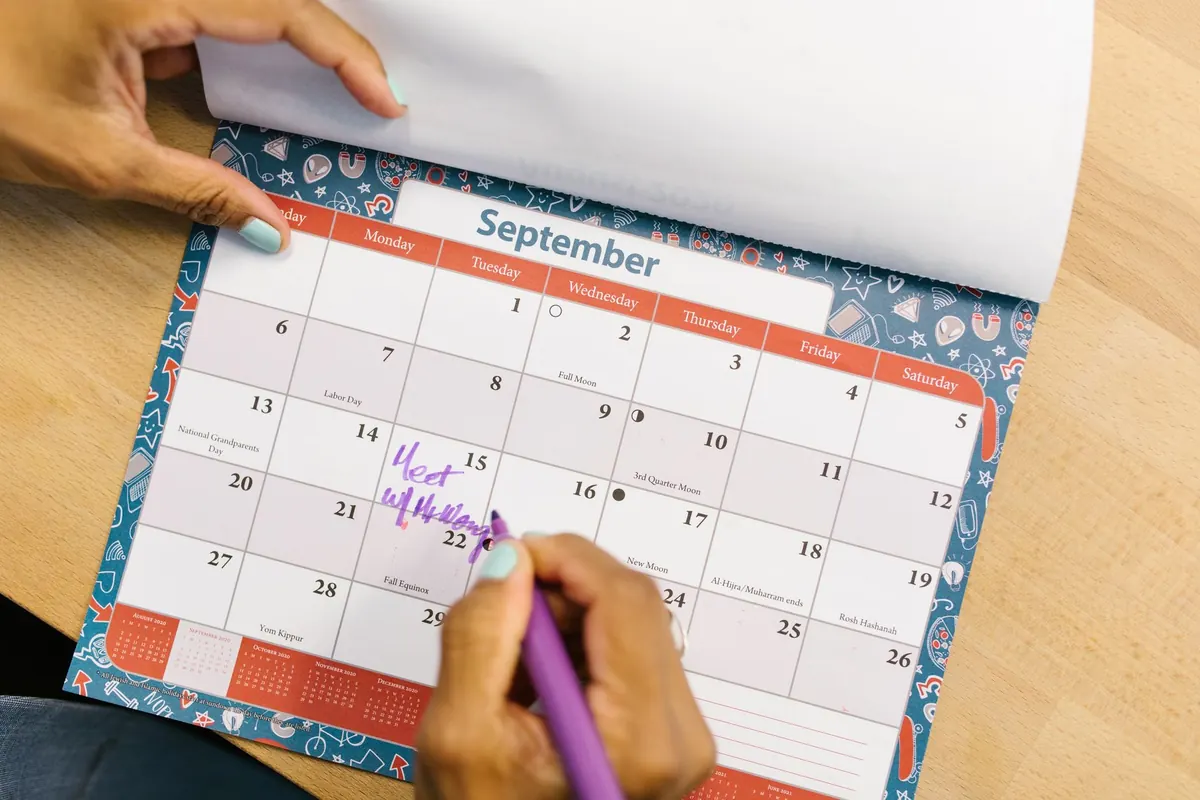
Get the access window in writing: doors open, music off, guests out, room clean and keys returned.
Build your timeline backwards from guest arrival — load-in, decor, catering delivery, sound check — then forwards through teardown. Add a buffer. If another booking follows yours the next morning, that buffer matters even more, and the venue is unlikely to be flexible about it.
Assuming a Verbal Yes Is a Booking
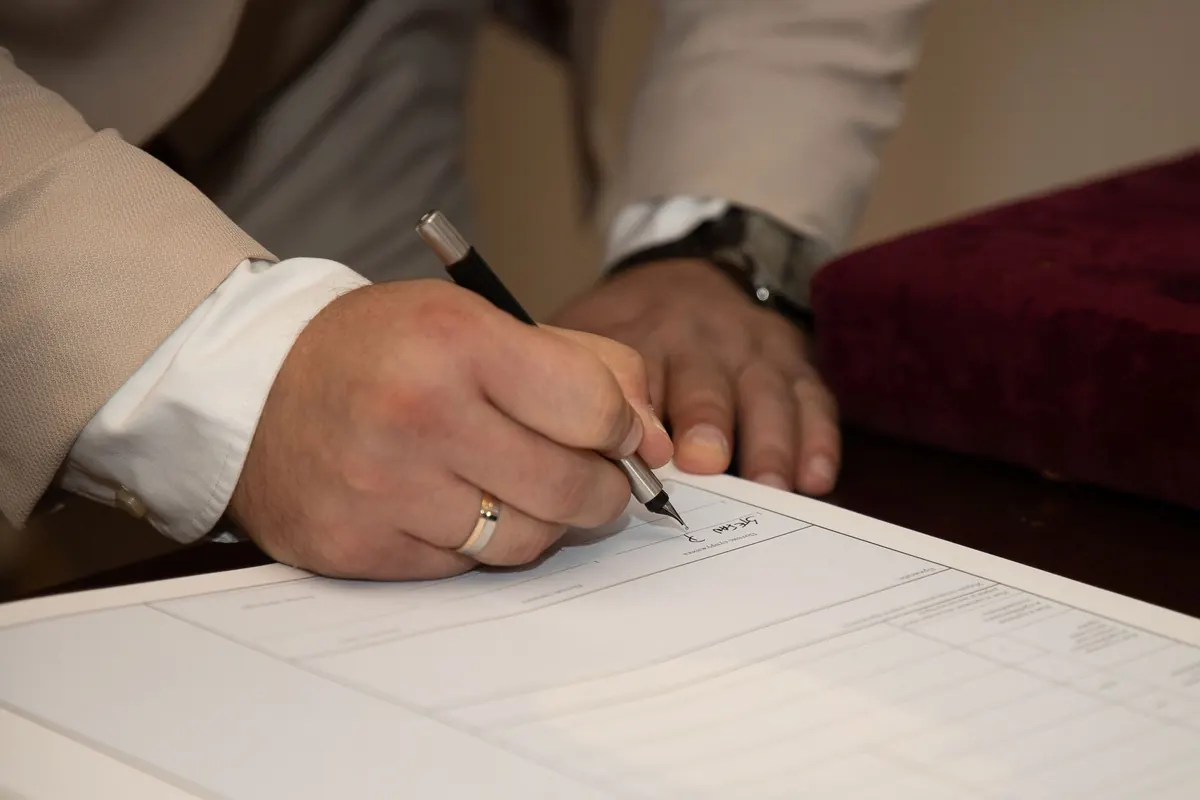
Until a signed agreement and a deposit are in place, the date is not yours. Another inquiry can take it. Beyond the reservation itself, read the clauses that decide what happens when plans change: the cancellation window, whether the deposit is refundable, rescheduling terms, the damage deposit and how it is returned, and who is authorized to sign on behalf of the venue.
Also collect one named on-site contact and a backup, with phone numbers that will actually be answered on the day. A chain of emails is not a plan for a Saturday night when the air conditioning fails.
Overlooking the Details Guests Notice Immediately
Parking is the classic. How many spaces, is there overflow, is there a fee, do guests need permits or a shuttle? Then accessibility: step-free entry, accessible washrooms, elevator access, and enough aisle width for wheelchairs and walkers. Washroom capacity matters more than people expect once a few hundred guests are in the building.
Ask about temperature control, electrical capacity for a band or a caterer's equipment, cell reception, coat storage, and whether the entrance is easy to find after dark. Small things — signage at the correct door, a staffed welcome table — prevent the confused first ten minutes that set the tone for everything after.
A Ten-Minute Checklist Before You Pay
- Visit in person, ideally at the same time of day as your event, and walk the room.
- Ask for the floor plan and the occupancy limit, then test your guest count against both.
- Request a written, itemized estimate covering every fee and every inclusion.
- Confirm insurance requirements, permits and alcohol rules in writing.
- Write down the full access window: setup start, guest arrival, music cutoff, load-out deadline.
- Read the cancellation, rescheduling and damage clauses before signing, not after.
- Name one on-site contact and one backup, with reachable phone numbers.
None of this requires special expertise — just patience applied at the right moment. The booking stage is the cheapest place to solve a problem. An hour spent measuring a room, reading a clause and requesting a certificate will cost you far less than discovering the issue with a full hall watching.
Photo: Tama66 / Pixabay