How to Negotiate a Hall Rental Contract Without Losing Your Date
Most hall negotiations go sideways for one reason: people ask for a discount before they know what they need. The venue manager knows the calendar, knows which Saturdays are still open, and knows exactly how far the rate can bend. You arrive with a date, a budget, and a hope. The fix isn't becoming a tough negotiator. It's becoming a clear one — someone with a priority list, a second-choice date, and the patience to get every promise in writing. Do that, and you can often improve the price or the inclusions without putting your date at risk.
Build Your Priority List Before You Call
Negotiation is trading, and you can't trade what you haven't sorted. Before you dial, split everything you want into three piles.
- Deal-breakers: the date, capacity for your guest count, accessibility, parking, a kitchen if you're bringing in catering, and any curfew that would cut your evening short.
- Negotiables: rental hours, setup and teardown time, tables, chairs, linens, sound system, staffing, bar arrangement, and whether you can bring your own vendors.
- Nice-to-haves: an extra hour, a better room, a discount on a rehearsal slot, help with coat check or a shuttle.
Write this down. When a manager says, "I can do Sunday at a lower rate, but the linens are extra," you'll know in five seconds whether that's a yes. People who haven't done this homework stall, ask for time to think, and lose the date to someone who decided on the spot.
Your Date Is Your Real Bargaining Chip
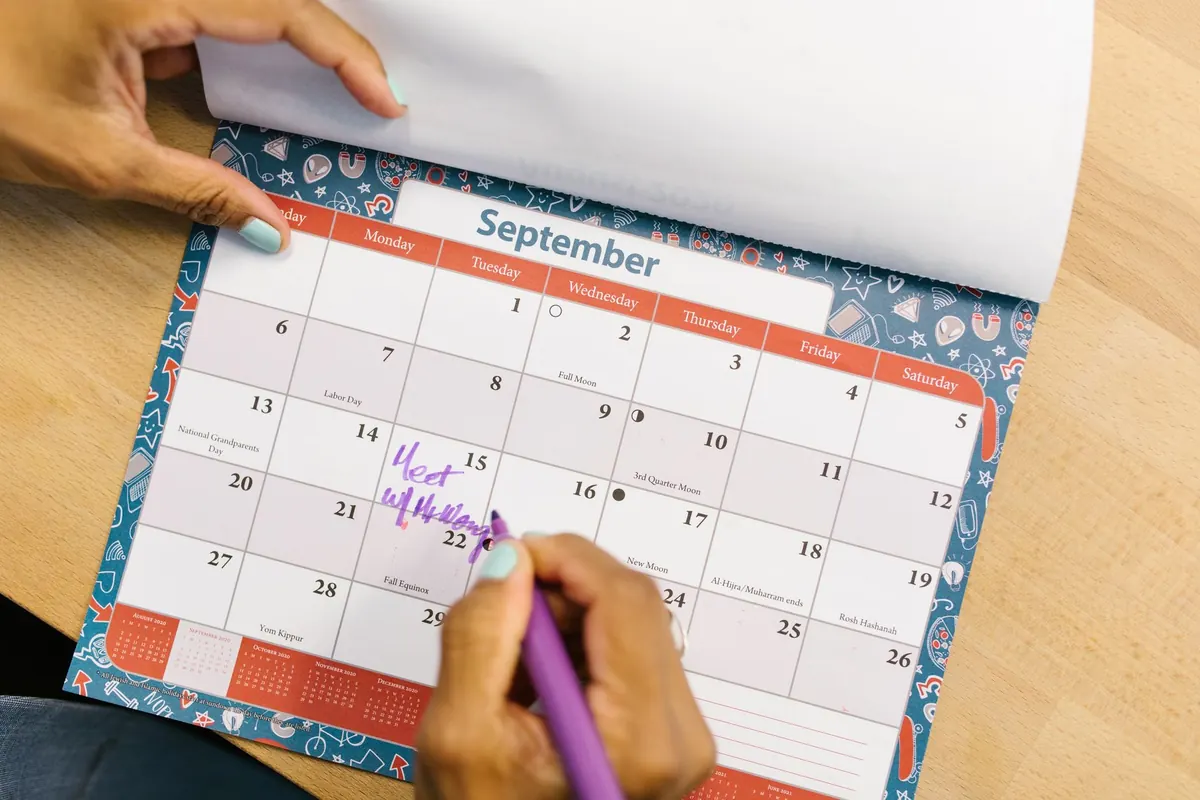
Rates move with demand, so the calendar is where leverage lives. Fridays, Sundays, daytime slots, and the quieter months are usually softer than a peak Saturday evening. If your event can flex even slightly, say so early: "We're looking at the second or third weekend in September — what's working best for you right now?"
That question does two things. It signals you're flexible, which makes you easier to work with, and it invites the manager to steer you toward a date they'd like to fill. A lighter date frequently comes with better terms — a lower rate, included setup time, or extras that wouldn't be offered on a prime night.
Other date-based openings worth asking about
- Booking well in advance, which gives the venue certainty and you room to ask for inclusions.
- Short-notice dates, when a cancellation leaves a gap the venue would rather fill than leave empty.
- A multi-hour or full-day booking instead of a four-hour block.
- Moving your event to a shoulder season or a weekday evening.
Read the Clauses That Cost Money Later
The headline rate is rarely the final number. Ask for the full contract and read it twice, pen in hand. The costs that surprise people are almost always buried in the details, not the price.
- Overtime: the rate, and how it's rounded. Ask whether a partial hour is billed as a full one.
- Access time: when you can actually get in to decorate, and whether setup and teardown are inside your paid hours.
- Cleanup: what's included, what isn't, and whether there's a fee if you leave anything behind.
- Insurance and security: whether you must provide a certificate, and who pays for an officer if alcohol is served.
- Vendor rules: caterer restrictions, corkage or cake-cutting fees, and whether outside vendors need approval.
- Cancellation and date changes: what you lose, and how far ahead you must decide.
- Deposits: how much is refundable, and what triggers a deduction from a damage deposit.
If the numbers are significant or the terms are unusual, it's sensible to have a lawyer review the agreement before you sign. A short consultation is cheaper than a disputed deposit.
Trade, Don't Haggle
Haggling is asking for less. Trading is offering something back. Managers respond far better to the second, because it protects their rate sheet and still solves your problem.
Bundle your asks into one proposal instead of firing off five separate requests. For example: "If we move to the Sunday, could the rate come down and include the two hours of setup we talked about?" Or: "We'll book the full six hours if the tables, chairs, and linens are included." You're giving the venue a clean yes-or-no, and you're giving them something in return — a filled date, a longer booking, a simpler event.
Ask about payment structure too. Sometimes there's more room in the schedule of payments than in the total: a smaller deposit, a later balance, or a split into installments. And if you're quoted a price that feels high, ask what it would take to get it to your number. You may learn that a different room, time, or package gets you there.
Get Every Promise in Writing
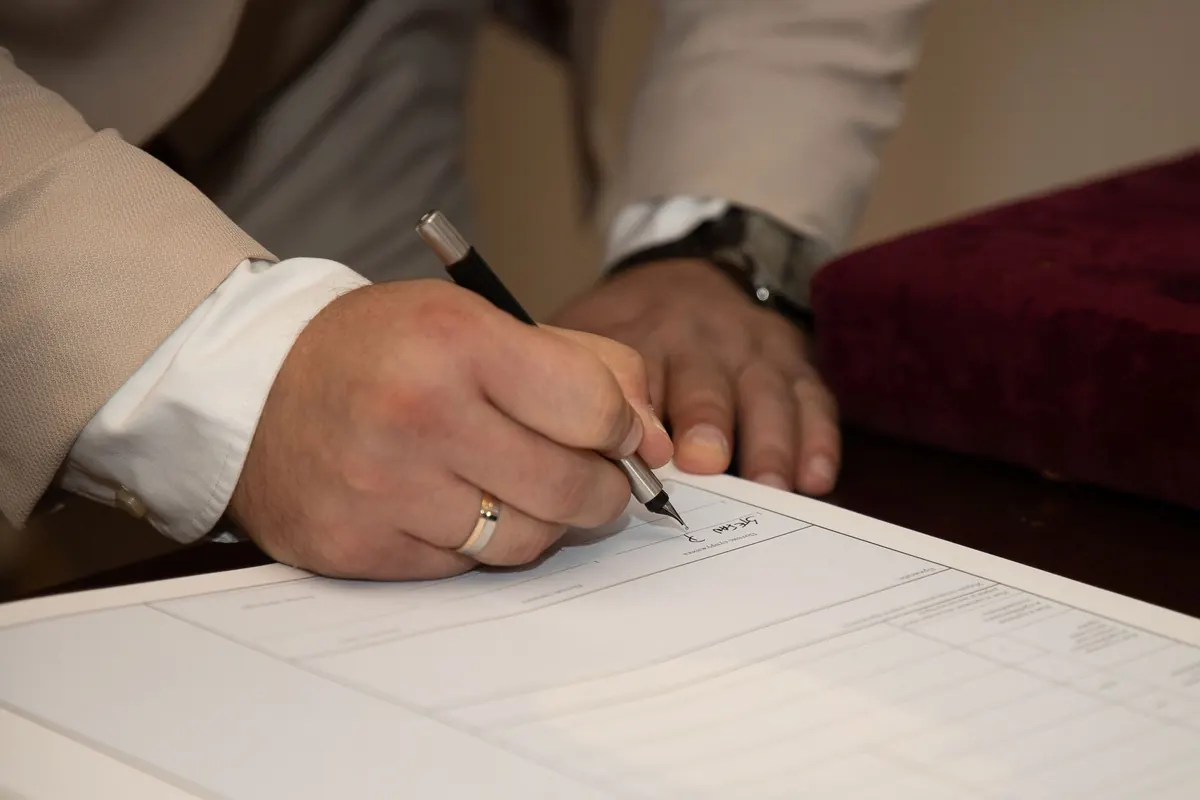
Whatever the coordinator says during the walkthrough — "we'll throw in the arch," "you can have the room at ten" — needs to end up in the contract or in an email that clearly becomes part of the agreement. Verbal assurances evaporate when staff change or the event gets busy.
Send a short follow-up after every conversation: "Confirming what we discussed — Sunday setup access at 10 a.m., tables and linens included, overtime billed in half-hour increments." Ask them to reply confirming. Keep the thread. Before signing, check that the written terms match the conversation, that the date and room are named correctly, and that the payment schedule lines up with what you were told.
Know When to Walk Away
Some signals are worth taking seriously: a refusal to put a date on hold while you review the contract, a price that rises between the tour and the paperwork, or terms that quietly drop what you agreed on. If any of those show up, you can still salvage it once with a calm, specific email. If nothing changes, use your backup venue. Two options on your list is what makes walking away possible.
Keep the exit polite and brief. A venue that treats you well before you sign is the one most likely to treat you well on the day, and you may need them for a future event.
Lock the Date, Then Improve Everything Else
Get your date secured first — a signed agreement and a paid deposit — because everything else can be refined later. Once the calendar is settled, revisit the small stuff: an extra half hour of access, a waiver on a minor fee, a better room configuration. Those requests are easy for a manager to grant when you're already a confirmed booking.
Write your questions down before the call, ask for the full contract before you commit, and confirm every promise in writing. You'll almost always walk away with a better deal than the first number you were shown — and, more importantly, with the date you wanted.
Photo: Boris Hamer / Pexels