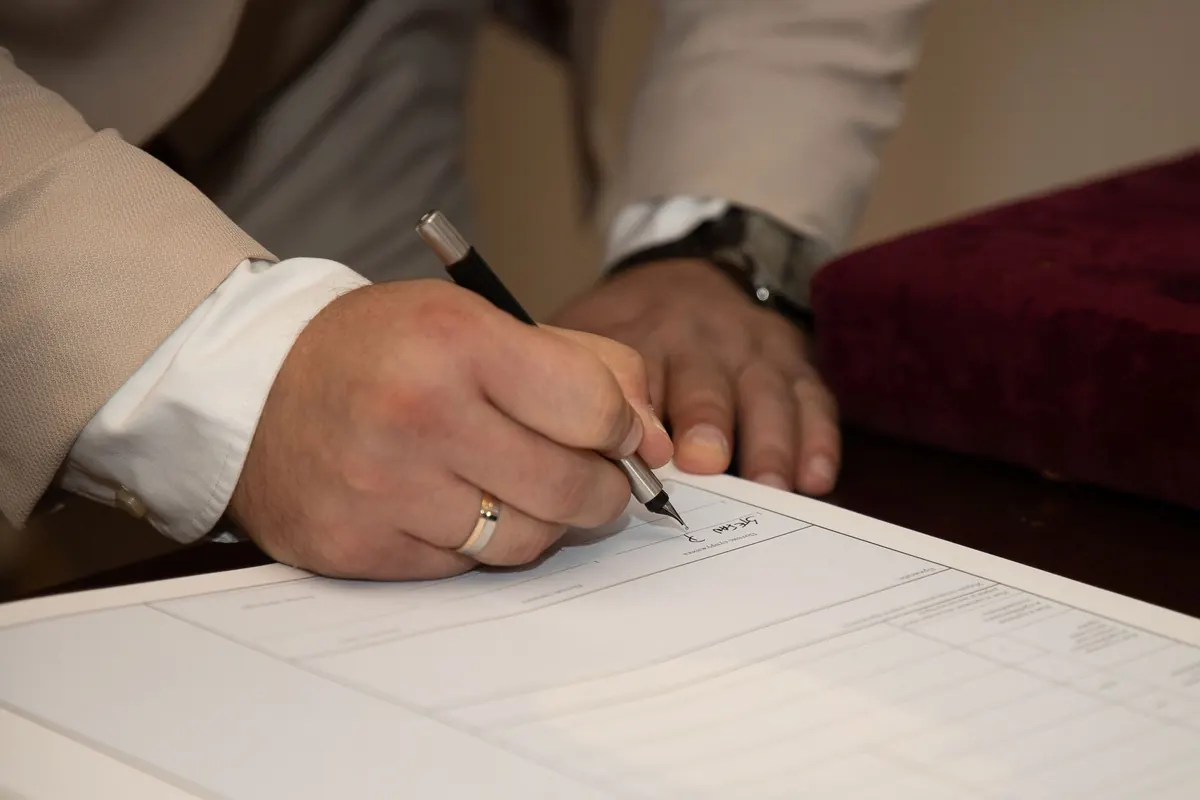
Hall Rental Deposits and Cancellation Policies Explained

The first serious money conversation with a hall usually happens earlier than people expect — sometimes before you've walked the room in daylight, often before you've chosen a caterer or settled a guest list. A contract slides across the table, and buried in the middle are two sections that matter more than the rest combined: the deposit clause and the cancellation policy. Together they decide what you owe if plans shift, who keeps what, and how much room you have to change your mind. Read them while you're still comparing venues, not after you've handed over a check.
Three Kinds of Money, Three Sets of Rules
Most halls ask for a deposit that is actually doing one of three jobs, and the rules attached to each are different.
- Date-holding deposit. Takes the date off the market. Often becomes non-refundable the moment you sign, or after a short grace period.
- Security or damage deposit. Held against broken fixtures, stained carpet, missing keys, or extra cleaning. Generally refundable if the space is returned in the agreed condition.
- Advance payment toward the balance. Some contracts label the first payment a deposit but treat it as prepaid rent. You don't get it back if you cancel, but it does reduce what you owe later.
Ask the manager to label which is which in writing. The word "deposit" alone tells you nothing about whether you'll see that money again. A refundable damage deposit and a non-refundable date hold can be the same amount on the same invoice, and renters mix them up constantly.
The Payment Schedule Matters as Much as the Total
Almost no hall collects everything up front. A common shape looks like this: a deposit at signing, a second installment two to three months before the event, and the final balance one to two weeks out. Some venues want the balance before the event so they aren't chasing a check the morning after.
That schedule shows you where your risk sits. Once you pass each deadline, more of your money is committed. For a wedding or milestone party booked a year out, the early payments tend to be small and spread apart, then concentrated in the final month. Ask for the dates in writing and put them in your own calendar with a reminder a week ahead.
Also ask what the quoted fee doesn't include: staffing, security, insurance, cleaning, kitchen use, sound equipment, a bar minimum, overtime. Those add-ons often come due separately, and they aren't always covered by the same cancellation terms.
Cancellation Windows: Think in Days, Not Dollar Amounts
Cancellation policies are usually tiered by notice. Exact numbers vary by venue and region, so the goal isn't to memorize a standard — it's to know what your contract says.
- Well ahead of the event (often 60 to 90 days): deposit refunded, sometimes minus an administrative fee.
- Middle window (roughly 30 to 60 days): deposit kept, remaining balance no longer owed.
- Close to the date (under 30 days): deposit kept and a large share of the balance due.
- Final week or no-show: full contract amount owed, no refund.
Confirm one detail that trips people up: whether the window counts from the event date or from the final payment due date. Those can be weeks apart. Get it in writing, and if you're negotiating, this is one of the easier terms to improve.
Rescheduling, Weather, and Who Cancels Whom
Ask three questions before signing. Can I move the date once? Many halls allow a single transfer within a set period, sometimes with a fee, sometimes only if they can rebook your original date. What happens if the venue cancels — a power failure, a burst pipe, a double booking? You should get your money back, so ask whether that refund is promised in the contract. And what about severe weather or a declared emergency? Some agreements address it; many don't. If your event depends on travel or outdoor space, ask them to add a clause rather than assume.
Getting Your Damage Deposit Back
The refund usually arrives by check or card credit some weeks after the event, so the walkthrough is your best evidence. Walk the room with a staff member before you leave, note existing damage on the condition report, and photograph anything you're worried about, including floors and walls. Ask what counts as damage rather than normal wear: tape residue, confetti, glitter, wax, and adhesive hooks are the usual disputes. Then ask what "broom clean" means in practical terms, since cleaning fees are often deducted from the deposit.
Pay by card or check, keep receipts, and if a deduction appears, request an itemized explanation. If the contract is large or the terms are unusual, a short consultation with a lawyer who handles venue or event contracts is worth the cost. Local consumer protection rules may also apply where you live.
A Pre-Signature Checklist
- Full payment schedule with dates, in writing
- Which payments are refundable, and under what conditions
- Cancellation tiers expressed in days, tied to a clear starting point
- Rescheduling and weather provisions
- How and when the damage deposit is returned
- Insurance, security, and staffing requirements, plus their cost
- The name of the person authorized to approve changes
- Every agreed change written into the contract and initialed
Negotiate Now, While You Still Have Options
Here's the useful part: deposit size and cancellation windows are usually the most flexible terms in a hall contract, second only to the rental rate. Venues would rather bend on a 30-day window than drop the price. Ask for a smaller date-holding deposit, a longer free-cancellation period, or one no-cost reschedule. If they agree to any of it, don't let it live in an email — have it added to the contract and initialed by both sides.
Keep your own paper trail, too: signed agreement, payment confirmations, the condition report, and photos from setup and teardown. A refund conversation goes much faster when you can show exactly what the room looked like when you handed back the key.
Photo: Tara Winstead / Pexels