Wedding Hall Booking Checklist: 15 Questions to Ask Before Signing
Somewhere between the cake tasting and the seating chart, the venue contract becomes real. A deposit clears, a date gets held, and every question you didn't ask turns into a cost or a compromise six months later. The good news is that a hall tour only takes about forty-five minutes, and most couples spend all of it picturing the room with candles lit. Spend the other half asking questions.
Here are fifteen worth asking before you sign anything, grouped the way they tend to come up on a walkthrough.
Capacity: Ask for the Number With Tables, Not Without
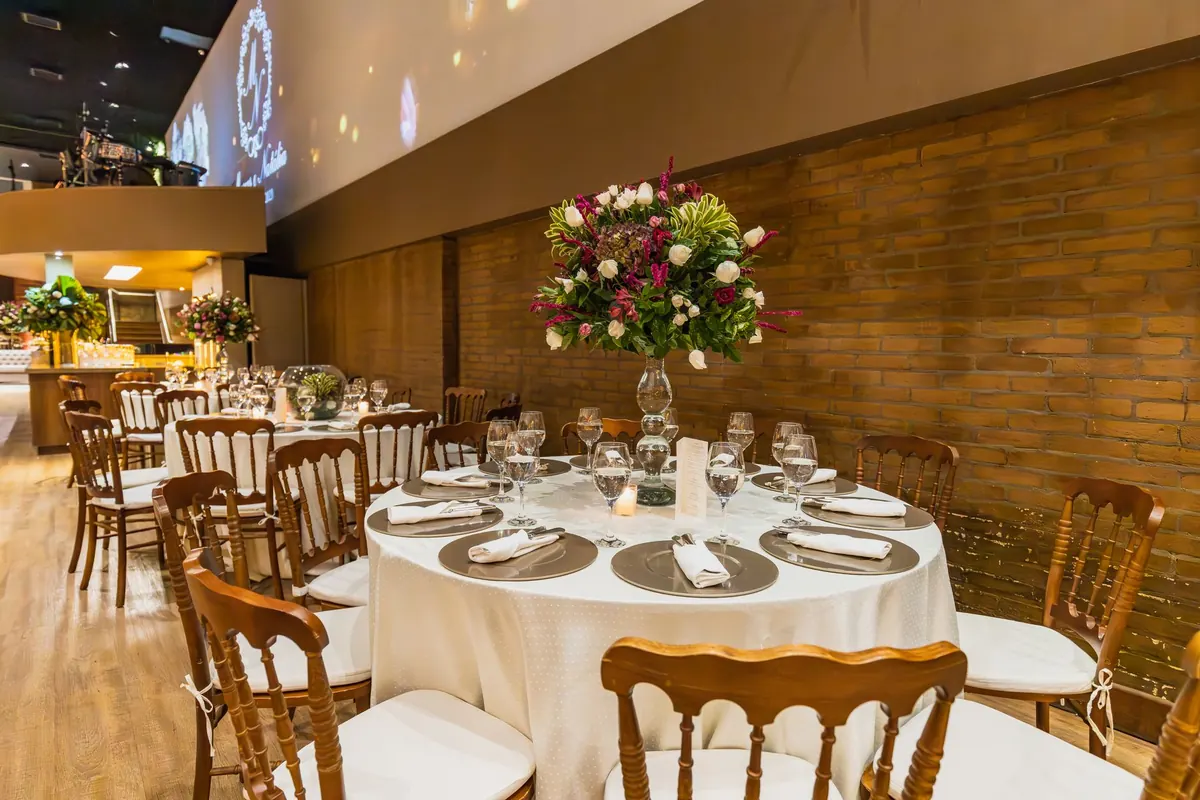
"How many does the room hold?" is the easiest question to answer dishonestly without anyone lying. A hall that fits 200 standing will feel generous at 120 seated with a dance floor, and cramped at 170. Ask for the seated number specifically, then ask what that number assumes.
1. How many guests can we seat at round tables with a dance floor and a bar? Then subtract for anything else you're bringing: a gift table, a photo booth, a buffet line, a band instead of a DJ. Vendors need real square footage too.
2. If our guest count changes by thirty people, does that change which room we get? Some venues have dividers and will quietly move you into a smaller section. Ask whether the rate changes with the room.
Money: Get the All-In Number in Writing
Rental fees are rarely the whole bill. The number that matters is what you write on the final check, taxes and service charges included. Ask for a sample invoice for a wedding like yours, not a verbal estimate.
Common extras to ask about by name:
- Service charge or administrative fee, and whether it's taxable
- Mandatory gratuity for staff, bartenders and security
- Setup, breakdown and cleaning fees
- Overtime, per half hour or per hour, and how it's billed
- Cake cutting, corkage, or a per-bottle bar fee
- Security guard or off-duty officer requirements
- Coat check, valet or parking attendants
- Audio equipment, projectors, screens and a technician to run them
- Vendor meals, and whether the venue requires them
- Insurance or certificate-of-coverage requirements
3. What is the total cost, with every fee and tax included, for a Saturday evening in our month?
4. Which of the items above are already included, and which are optional? Get included items listed on the contract, not just promised in conversation.
5. What is the deposit, the payment schedule, and what happens to our money if we cancel? Ask about the refund window, whether the deposit is transferable to another date, and what happens if the venue cancels on you.
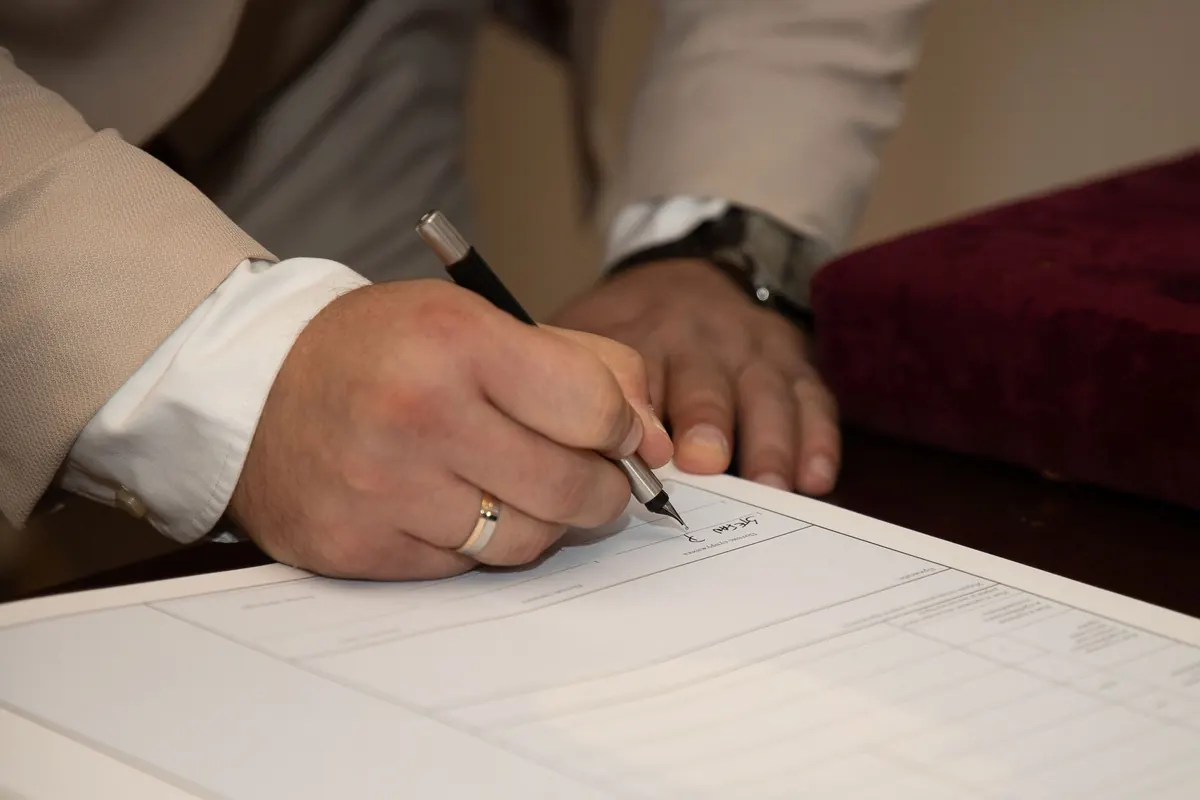
Contracts vary widely, and deposits for wedding venues can be large. If the terms are unusual or the money is significant to you, have a lawyer or a contract-savvy friend read the fine print before you sign.
Catering and Bar: Who Cooks, Who Pours, Who Cleans Up
Some halls are blank canvases; others are restaurants with a dance floor attached. Knowing which one you're booking shapes your budget more than any other single answer.
6. Can we bring our own caterer, or is there an approved list? If there's a list, ask how many caterers are on it and whether an outside caterer pays a fee to the venue. Also ask when the list was last updated.
7. What kitchen access do we get, and for how long? Ask about refrigerators, freezers, ovens, sinks and prep counters, plus when your caterer can get in and when they must be out. A kitchen that's shared with another event that day is a different kitchen.
8. What are the rules for alcohol? Who holds the license, who serves, who counts inventory, and can you bring your own wine or beer? Ask what happens if a guest appears intoxicated, since staff training and cutoff policies protect you.
Noise, Hours and the Neighbors
Every venue has a hard stop, even the ones that say they're flexible. Find out what it is and what it costs to break it.
9. What time must the music end, and when do all guests and vendors have to leave the building? Music ending and the building emptying are two different deadlines, sometimes separated by an hour.
10. Are there decibel limits or restrictions on live bands and amplified sound? Ask who enforces them and whether the venue has ever been cited. Outdoor ceremony spaces and courtyards near homes often have earlier, stricter limits than the indoor hall.
Ask these answers in writing. "We usually wrap up around eleven" and "amplified music ends at 10:30, overtime billed at the posted rate" are very different promises.
Accessibility and Guest Comfort
Walk the route your guests will actually take, from the parking lot through the entrance to the restrooms and the reception space. Bring an older relative's perspective with you.
11. Is the path from parking to the ceremony and reception spaces step-free? If not, where are the stairs, and is there a ramp or an alternate entrance?
12. How many restrooms are there, and are they accessible? Count them against your guest list at peak times, and check whether they're shared with another event.
13. What's the climate control situation? Ask about air conditioning capacity, heating, and whether doors propped open for photos will fight the system all night. Ask about parking capacity, shuttle options, and lighting in the lot after dark.
Vendors, Load-In and the Timeline
Your photographer, florist, band and planner all need to get in, park and set up without stepping on each other.
14. What time can vendors arrive, where do they load in, and where can they park? Ask about elevator access, freight entrances, storage for empty crates, and whether the venue requires vendor insurance certificates. Also ask what the venue provides: tables, chairs, linens, staging, a sound system, power drops. Anything not provided becomes a rental line on your budget.
The Contract Details Worth Reading Twice
15. What happens if we need to change the date or the guest count, and how late can we do it? Ask about the deadline for the final headcount, the fee for adding guests late, and what happens if you drop below a minimum.
While you're in the document, look for language on damage deposits, liability, insurance requirements, force majeure, and who is authorized to sign. Ask what the venue's responsibility is if the power fails, the kitchen breaks, or the weather cancels an outdoor ceremony, and what your backup plan will be on the day.
Bring This List to the Tour
Tour at the same time of day as your event if you can, so you see the light and the parking situation you'll actually have. Ask to watch another event's setup, or at least see photos of the room set the way you're imagining. Take notes on the spot, get the answers in writing, and ask for a copy of the contract before you put down a deposit, not after.
Then sleep on it. A hall that answers all fifteen questions plainly is usually a hall that will handle your wedding day the same way.
Photo: Jonathan Borba / Pexels